
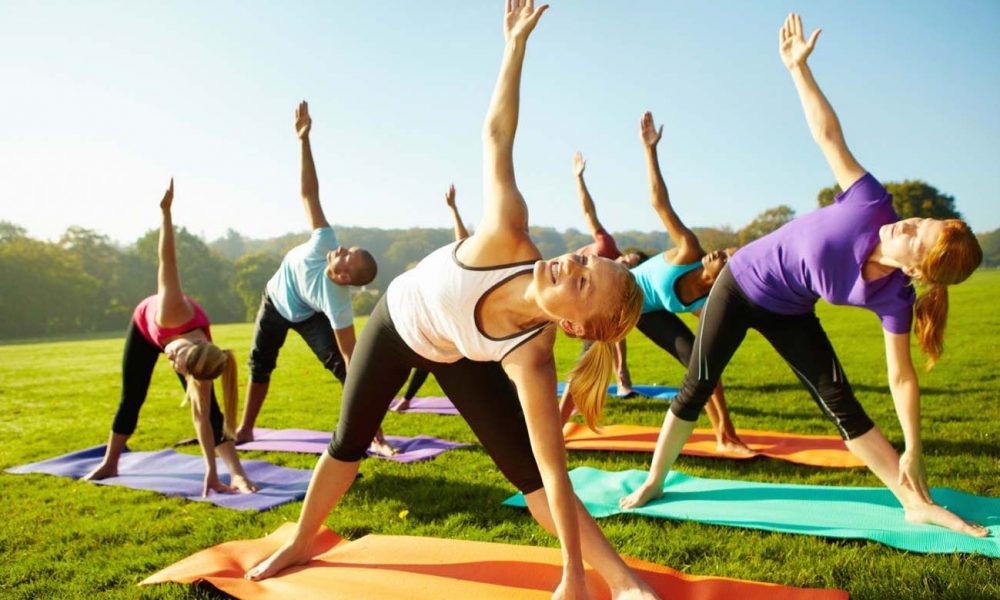
Many people step into a studio thinking teaching yoga means showing poses with balance and calm, but the picture changes once training begins because teaching also involves planning, awareness, and dealing with people, all layered over movement. Anyone exploring yoga in Singapore soon realises classes depend on clear communication and good judgement just as much as physical form. Poses still matter, but they sit inside a wider set of skills that help students feel safe, comfortable, and keen to return.
Teaching Starts With Clear Communication
A class flows well when instructions land clearly because words guide breath, timing, and transitions before bodies even start to move. Short cues help some students, while others need a little more explanation, and knowing when to speak or pause becomes part of the job in mixed group settings.
Choosing a language that works across different abilities takes practice, and everyday teaching is where that learning shows up most clearly. Voice control also shapes the experience, since instructors manage pace, tone, and volume across different rooms and class sizes, which is a skill any yoga instructor in Singapore develops over time. Teaching relies on clarity and consistency, and students notice when cues feel grounded and easy to follow without sounding rehearsed.
Observation Keeps Classes Safe
Watching students closely teaches an instructor more than demonstrating ever could, since alignment issues, fatigue, and discomfort show up quickly when attention stays sharp. Safety rests on observation and timely response, especially when adjustments need to happen without bringing the class to a halt.
Teaching yoga involves scanning the room, offering options, and adjusting sequences on the spot, especially in mixed settings common across yoga in Singapore. Classes often bring together office workers, athletes, older adults, and newcomers within one session, and each body comes with limits shaped by work habits or past injuries, so instructors respond by offering variations and reminding students that rest remains part of practice, not a setback.
Planning Happens Long Before Class
A smooth session begins well before the first stretch because instructors plan sequences that warm muscles gradually, build awareness, and allow time to recover. Timing matters because overrunning can disrupt studio schedules and student commitments. Planning also includes checking class types, expected turnout, and any notes shared by the studio.
A yoga instructor in Singapore may teach multiple styles across several locations each week. Preparation helps maintain consistency while still fitting different studio expectations. Improvisation still appears, though structure keeps classes steady when changes arise.
Teaching Means Managing Group Energy
Energy shifts depending on class size, time of day, and student mood, with morning sessions feeling quiet and focused while evening classes carry tension from long workdays. Instructors read the room and adjust pace and sequencing based on what the group brings that day. Faster flows suit some days, while slower sessions give space for others to unwind.
Busy professionals often turn to yoga in Singapore to find balance within limited time, so teachers respond by shaping an atmosphere that feels welcoming and steady. Encouragement stays present without pressure, allowing students to engage at a level that feels right for them.
Emotional Awareness Plays a Role
Movement and breath sometimes surface emotions, and instructors notice when students appear unsettled or withdrawn during class. Teaching involves holding space respectfully while keeping clear boundaries in place, which helps maintain trust and focus during sessions. Brief conversations after class and appropriate referrals support professionalism without overstepping.
Remaining calm and present while respecting privacy becomes part of the role for any yoga instructor in Singapore. Emotional awareness supports a safe environment, even when discussions stay brief and centred on practice.
Why Poses Are Only One Piece
Poses form the visible side of yoga, but teaching relies on skills working together behind the scenes, since communication, observation, planning, and awareness shape each class from start to finish. Movement connects the pieces, though it never stands alone.
If teaching yoga sounds appealing beyond flexibility and form, structured training can help set clear expectations and responsibilities. Contact The Yoga Mandala today to begin conversations about courses, preparation, and practical guidance for stepping onto the mat with confidence and clarity.
