
This guide offers a detailed look at a renowned educational philosophy for young learners. It provides parents and educators with clear insights into how this method supports a child’s growth.
The approach is built on more than a century of proven practice. It focuses on nurturing each individual through structured activities that respect their natural development and curiosity.
Understanding this method helps families make informed choices about a child’s first experiences with education. It differs greatly from traditional settings by placing the child at the centre of their own learning journey.
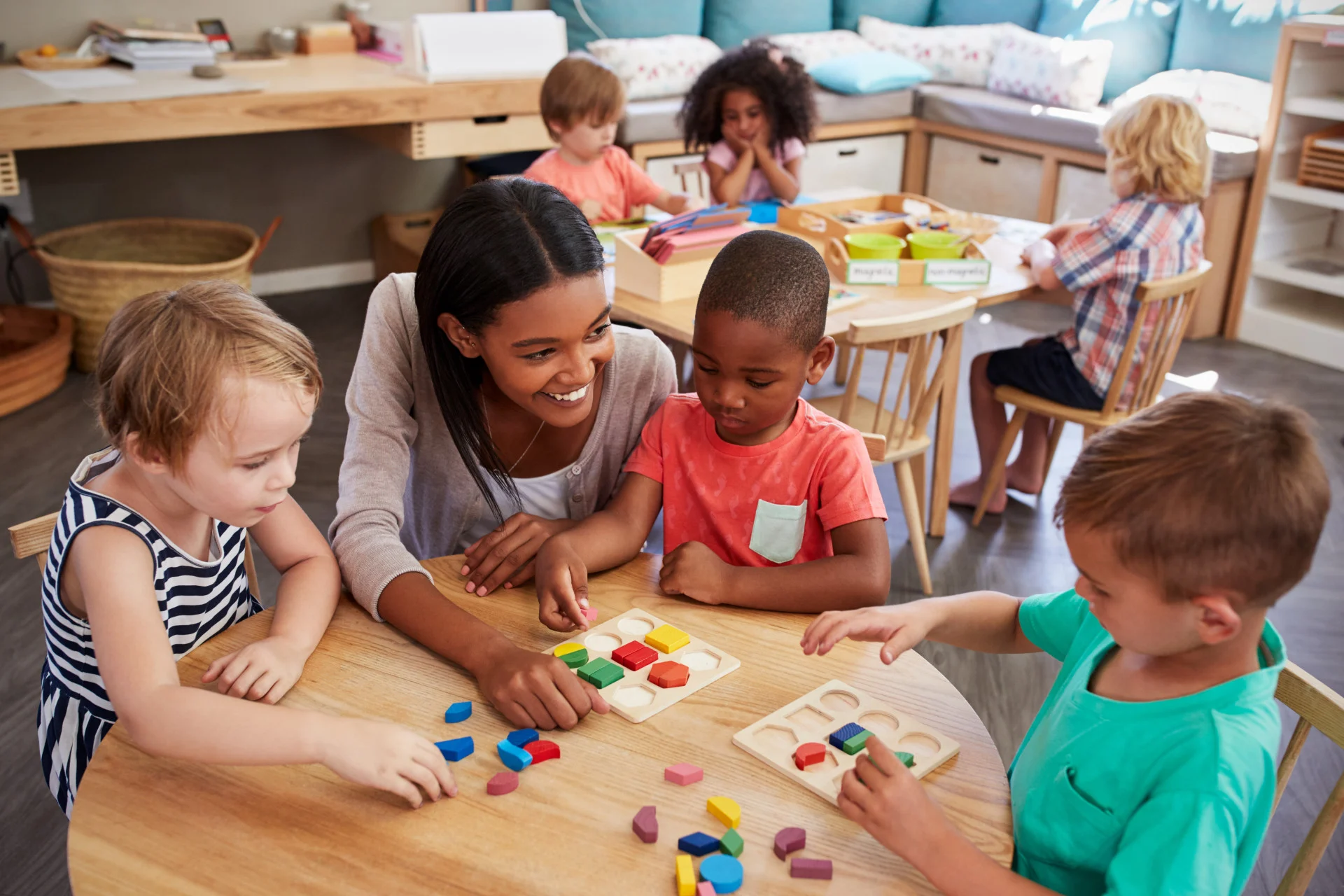
We will explore how the prepared environment creates ideal conditions for discovery. Youngsters engage with hands-on materials that build essential skills across all areas of development.
Readers will learn the core principles and real-world benefits. The guide also covers how it aligns with the UK’s Early Years Foundation Stage to ensure a well-rounded start for children.
Key Takeaways
- This approach centres on the child’s natural development and curiosity.
- It represents over 100 years of established educational philosophy.
- The prepared environment is crucial for fostering independent learning.
- It differs significantly from traditional preschool models.
- The method aligns with the UK’s Early Years Foundation Stage framework.
- Hands-on experiences are fundamental to building foundational skills.
- Understanding the philosophy helps in making informed educational choices.
Foundations of the Montessori Approach
Beginning with her Casa dei Bambini in 1906, Dr. Maria Montessori established principles that challenged conventional educational thinking. Her work created a framework that continues to influence modern approaches to childhood development.
History and Philosophy of Dr Maria Montessori
Dr. Montessori’s revolutionary methods emerged from careful observation of children’s natural learning patterns. She recognised that each child develops at their own pace, requiring personalised educational support.
Her philosophy spread across the world as she refined her approach in different countries. Notable figures like Gabriel Garcia Marquez and Jeff Bezos attribute their creative thinking to their Montessori experience.
This educational method respects individual developmental timelines. It avoids forcing conformity to rigid standards, focusing instead on each child’s unique journey.
The Role of Sensorial Experiences
Central to this philosophy is the understanding that knowledge begins with sensory input. Children build their intellect through hands-on manipulation of carefully designed materials.
These resources engage all the senses—touch, taste, smell, sight and hearing. This multi-sensory approach helps children form concrete understanding before tackling abstract concepts.
The materials enable discrimination between textures, shapes, sizes and colours. This sensory foundation supports all future learning and cognitive development.
Key Principles and Learning Environment
The foundational elements of this approach centre on developing real-world competencies through structured, hands-on experiences. This methodology creates an environment where every detail supports a child’s natural development.
Practical Life and Fine Motor Skills
Practical life activities form the cornerstone of skill development. Children engage in tasks like pouring, buttoning, and food preparation. These exercises build essential fine motor skills through repetition.
Each activity strengthens hand muscles and improves coordination. This foundation prepares children for writing and other academic tasks. The table below shows how different activities develop specific motor skills:
| Activity | Primary Skill Developed | Secondary Benefits |
|---|---|---|
| Pouring Exercises | Hand-Eye Coordination | Concentration & Precision |
| Buttoning Frames | Finger Dexterity | Independence & Patience |
| Spooning Transfer | Wrist Control | Focus & Order |
| Food Preparation | Bilateral Coordination | Social Skills & Confidence |
Hands-on Exploration with Montessori Materials
The learning environment features carefully designed materials that encourage independent exploration. Each resource has a specific purpose and designated place.
“The hands are the instruments of man’s intelligence.”
Maria Montessori
Children work with these materials at their own pace. This self-directed approach builds concentration and problem-solving abilities. The environment supports natural learning through tactile experiences.
Every element promotes wonder and discovery. This careful preparation allows each child to develop confidence through mastery of progressively challenging tasks.
Montessori Curriculum for Preschool and Early Years in Practice
Operational settings provide a clear view of how the methodology complements the UK’s early childhood framework. Many nurseries successfully hold both Ofsted registration and specialised accreditation.
This dual status demonstrates a powerful synergy. The early years foundation stage and the child-centred philosophy share fundamental principles.
Integration with the EYFS Framework
The four guiding principles of the years foundation stage resonate deeply with this approach. They champion the unique child, positive relationships, and enabling environments.
All seven areas of learning and development find a natural home within the prepared classroom. This alignment ensures a comprehensive experience for every child.
Language, Literacy and Communication Development
Language development receives particular emphasis. Children enjoy rich, daily opportunities to enhance vocabulary and communication skills.
Literacy foundations are built concretely. Tactile materials like sandpaper letters and movable alphabets make abstract sounds tangible.
This phonetic approach, supported by sound games, builds auditory skills. It enables children to blend sounds into words, fostering confident early reading.
Regular reading sessions and thematic activities further expand understanding. These real experiences create a robust foundation for all future learning.
Cultivating Independence and Social-Emotional Growth
One of the most distinctive aspects of this philosophy is how it seamlessly blends freedom with structure. This balance allows children develop both autonomy and responsibility simultaneously.
Child-led Learning and Self-discipline
In this approach, children choose activities based on their interests. This freedom creates intrinsic motivation that sustains engagement throughout the day.
The classroom environment supports this process-focused way of working. Children pursue activities that fulfil inner needs rather than external goals.
Mixed-age groupings create rich social opportunities. Younger children learn from observing others, while older ones develop leadership skills.
Adults serve as guides who observe each child‘s unique needs. They provide appropriate materials without controlling the learning process.
Self-discipline emerges naturally within clear boundaries. The prepared environment helps children regulate their behaviour and make responsible choices.
This way of working builds essential life skills. Children develop practical abilities and confidence through daily experiences.
Social emotional growth flourishes through real interactions. Children learn to share resources and resolve conflicts peacefully.
The approach respects each child‘s dignity while fostering community awareness. This balanced way supports healthy development throughout life.
Cultural and Global Perspectives in Montessori
Young learners discover the interconnectedness of humanity through carefully designed cultural experiences. This approach fosters appreciation for the rich tapestry of global communities.
Children engage with materials representing diverse traditions and beliefs. These activities help them understand their place in the wider world.
Exploring World Cultures, Geography and Science
Geography activities introduce the world around them through tangible resources. Puzzle maps and globes build spatial awareness of continents and countries.
Science exploration encompasses living things and natural phenomena. Children observe, classify, and understand the world through hands-on discovery.
Music from various cultures forms an essential component. Youngsters experience different instruments and rhythms, celebrating artistic heritage.
This variety of cultural activities creates meaningful learning experiences. Each child develops respect for diversity through concrete exploration.
The approach prepares children for citizenship in an interconnected world. They gain understanding of different peoples and traditions through age-appropriate materials.
Inspiring Educators and Collaborative Partnerships
The effectiveness of any educational approach rests heavily on the quality of its practitioners and the strength of its community bonds. This is especially true for child-centred learning environments.
Skilled adults create the nurturing space where true development flourishes. Their role extends beyond teaching to careful observation and guidance.
Featured Success at Eilmar Montessori
Settings like Eilmar Montessori demonstrate how dedicated professionals make a profound difference. Their educators undergo rigorous training to understand child development deeply.
This preparation allows them to create a classroom rich with opportunity. They provide a variety of materials that match each child’s unique learning way.
Strong partnerships with parents are a cornerstone of the nursery‘s success. Regular communication ensures a consistent approach between home and the learning space.
Spotlight on Eilmar Educators
The adults at Eilmar exemplify the essential qualities for this education. Patience and keen observation skills allow them to support without interrupting.
They balance freedom with boundaries, recognising sensitive periods for learning. This creates an environment where children can concentrate and explore freely.
Their work fosters independence and social skills within mixed-age groups. The table below outlines key aspects of their supportive role:
| Educator Focus | Child Benefit | Partnership Activity |
|---|---|---|
| Prepared Environment | Independent Exploration | Learning Journey Sharing |
| Observation & Assessment | Personalised Learning Path | Goal-Setting Meetings |
| Modelling Grace & Courtesy | Social-Emotional Growth | Workshops for Parents |
This collaborative way of working gives every child the opportunity to thrive. It combines professional expertise with vital family engagement for holistic development.
Conclusion
What distinguishes this educational framework is its profound respect for childhood as a valuable stage of life, not merely preparation for adulthood. It offers children rich opportunities to develop essential skills through purposeful activities that engage their senses and curiosity.
The approach supports holistic development across all domains. Language and communication flourish alongside practical life competencies. Each child‘s unique needs and timeline receive careful attention throughout the day.
This way of working creates confident, independent learners. It prepares children for future challenges while honouring the present moment. The method’s alignment with contemporary standards demonstrates its enduring relevance.
Families can trust this time-tested approach to provide a solid foundation. It nurtures the whole child during the critical early years when lifelong learning patterns are established.
FAQ
How does the Montessori approach differ from traditional nursery education?
The approach centres on child-led learning within a carefully prepared environment. Instead of group instruction, children choose activities that match their developmental needs, fostering independence and intrinsic motivation. The classroom is organised with specific materials that encourage hands-on exploration and mastery of skills at the child’s own pace.
What role do practical life activities play in a child’s development?
Practical life exercises are fundamental. They help children develop fine motor skills, concentration, and a sense of order. Everyday tasks like pouring, polishing, and tying laces build coordination and self-confidence. These activities also teach children to care for themselves and their environment, laying the groundwork for social responsibility.
How is language and communication nurtured in the early years?
A> Language development is woven into daily life through rich conversation, storytelling, and specific materials. Children are exposed to a wide variety of vocabulary. They work with sandpaper letters to connect sounds and symbols, building a strong foundation for reading and writing. The emphasis is on creating a language-rich environment where communication flourishes naturally.
Can the Montessori curriculum align with the Early Years Foundation Stage (EYFS) framework?
Yes, absolutely. The principles of the Montessori approach naturally support the seven areas of learning and development outlined in the EYFS. Its focus on the whole child—covering personal, social, and emotional development alongside literacy and mathematics—ensures all statutory requirements are met through its unique, hands-on methods.
How does the method support a child’s social and emotional growth?
The environment is designed to cultivate respect, empathy, and cooperation. Mixed-age groups allow younger children to learn from older peers, and older children to reinforce their knowledge by teaching others. Adults model grace and courtesy, guiding children to resolve conflicts peacefully and become aware of the needs of those around them.
What kind of training do Montessori educators receive?
A> Montessori educators undergo specialised training that delves deeply into child development, philosophy, and the use of distinctive materials. This training, offered by organisations like the Association Montessori Internationale (AMI), equips them to be keen observers, preparing environments that respond to each child’s evolving interests and developmental stages.
