
Key Takeaways
- International primary education focuses on small class sizes, inquiry-based learning, and active participation to support early academic and personal development.
- Assessment methods prioritise progress and understanding over exam pressure, giving parents clearer insight into how children learn.
- Strong foundations built during international primary years support smoother transitions into secondary education and future pathways, including programmes leading to an HS diploma.
Introduction
Nowadays, international schools are becoming appealing to families who value a globally oriented education from an early age. These schools include international primary education, focusing on building strong academic foundations while nurturing curiosity, confidence, and adaptability. Rather than centring learning solely on examinations, international primary programmes emphasise how children learn, interact, and think, setting the tone for later stages of education, including pathways that eventually lead to qualifications such as the HS diploma.
How International Primary Classes Are Structured
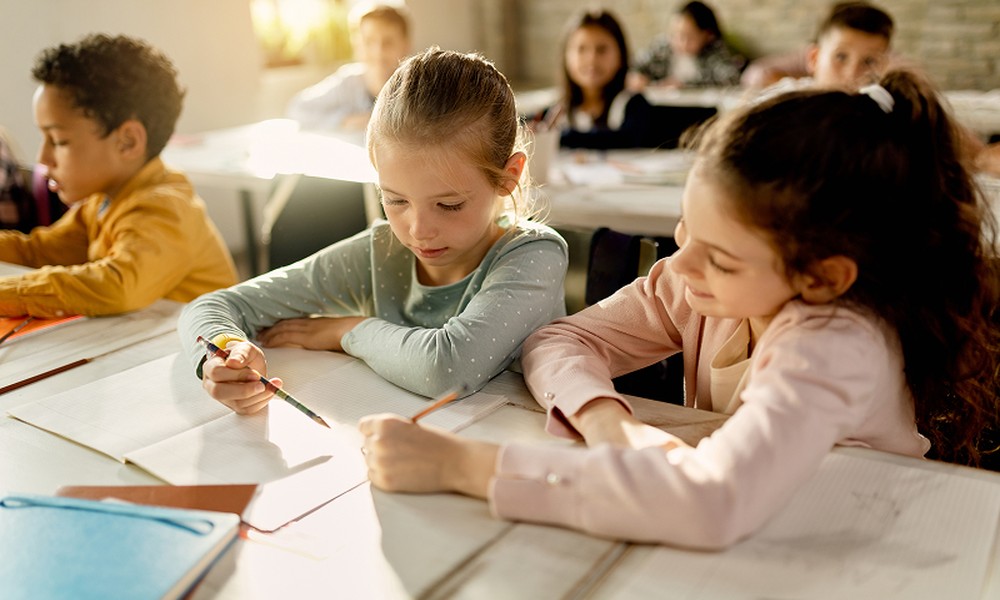
International primary classes typically feature smaller class sizes compared to many mainstream systems, allowing teachers to give closer attention to individual learning needs while encouraging active participation. Lessons often combine whole-class instruction with small group work, discussions, and hands-on activities, keeping students engaged throughout the day.
Classrooms also reflect diversity, with students from different cultural backgrounds learning together. This environment encourages collaboration, open-mindedness, and respectful communication. Teachers use this diversity as a learning resource, helping students understand global perspectives from an early age.
Emphasis on Inquiry-Based Learning
A defining feature of international primary education lies in its inquiry-based learning style. Instead of memorising information, students explore topics through questions, research, and guided discovery. Teachers act as facilitators, prompting children to think critically and make connections across subjects.
Teachers facilitating their students can help them develop independence and confidence in expressing ideas. By encouraging curiosity and exploration, international primary programmes foster a love for learning that supports long-term academic growth and prepares students for more structured secondary education later on.
Balanced Curriculum Across Core Subjects
International primary education places equal importance on academic subjects and personal development. Core areas, such as language, mathematics, and science, receive structured attention, while arts, physical education, and social studies remain integral parts of the curriculum. This balance supports both cognitive and emotional growth.
Teachers design lessons that connect concepts across subjects, helping students see learning as interconnected rather than fragmented. This integrated approach strengthens understanding and supports smoother transitions into higher levels of education.
Assessment Focused on Progress, Not Pressure
Assessment in international primary programmes tends to focus on progress and understanding rather than high-stakes testing. Teachers observe classroom participation, review project work, and provide regular feedback to guide improvement. This method reduces pressure while helping students recognise their strengths and areas for growth.
Parents also benefit from clearer insight into their child’s development. Instead of relying solely on grades, progress reports often include qualitative feedback that explains how students learn and interact, offering a fuller picture of their educational journey.
Preparing Students for Future Academic Pathways
Although international primary education focuses on early learning, it also lays the groundwork for future academic pathways. Skills such as critical thinking, communication, and self-management play a vital role in later stages of schooling. These competencies support smoother progression into secondary programmes that may lead to qualifications like the HS Diploma.
By establishing strong learning habits early, students approach later academic challenges with greater confidence. This long-term perspective appeals to families seeking continuity and clarity in their child’s educational journey.
Role of the School Environment and Teaching Philosophy
The learning environment shapes the international primary experience. Classrooms often encourage interaction, creativity, and movement rather than rigid seating arrangements. This flexibility supports different learning styles and keeps young learners engaged.
Schools such as ISS International School design their primary programmes around these principles, combining structured learning with exploration. This approach helps children develop academically while building social skills and self-awareness.
Conclusion
International primary education offers a thoughtful balance between structure and flexibility, focusing on how children learn rather than how much they memorise. Through small class sizes, inquiry-based learning, and balanced assessment, international primary programmes support both academic development and personal growth. Students gain the skills and mindset needed for future academic pathways, including progression towards qualifications such as the HS diploma.
Contact ISS International School to learn how they support structured learning, curiosity, and long-term academic development.
