
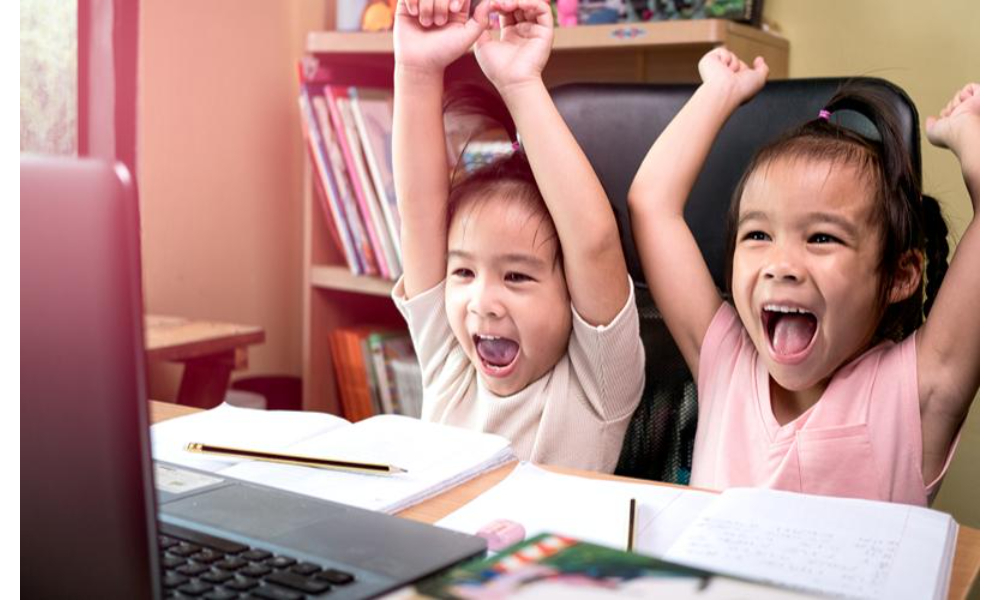
Learning two languages is a skill and a superpower. Parents today are increasingly turning to bilingual preschools in Singapore to give their children a head start in communication, culture, and confidence. But how exactly are bilingual foundations built? What does a day in a bilingual classroom look like? And how do teachers make something as complex as Chinese for preschoolers educational and genuinely fun?
The Framework Behind Bilingual Learning
Bilingual learning is carefully engineered. A strong bilingual preschool in Singapore relies on structure, balance, and consistency. Most preschools use a dual-language system where lessons alternate between English and Mandarin. This daily rhythm reinforces both comprehension and expression naturally without overwhelming children.
Early exposure is key. At preschool age, children absorb sounds and speech patterns with ease, forming neural connections that make future language learning faster and more intuitive. A bilingual preschool capitalises on this critical window, embedding language in every interaction.
Making Chinese Fun for Preschoolers
At the heart of effective Chinese for preschoolers is engagement, turning language into play. Songs, rhymes, and movement-based games help children connect words with actions. Teachers use puppets, picture cards, and storytelling to build emotional connections with vocabulary. A song about fruits might lead to a Mandarin snack-time discussion, reinforcing both words and context.
Children retain more information when learning through multi-sensory experiences. It’s this playful immersion that transforms Chinese lessons from repetition into revelation.
The Dual Role of Teachers
Teachers in a bilingual preschool in Singapore are educators and language role models. Typically, one teacher leads lessons in English while another handles Mandarin. This “one teacher, one language” approach helps children associate each language with a distinct person and context. The result is a clear mental separation that prevents confusion and strengthens fluency.
What’s equally important is consistency. When children hear both languages spoken naturally and confidently every day, they start mirroring pronunciation, tone, and rhythm with surprising accuracy. For young learners, imitation is the first step toward mastery.
Culture as a Classroom
True bilingual education teaches worldviews. Cultural context gives meaning to language and makes it come alive. Chinese for preschoolers includes more than vocabulary lessons. It’s about connecting language with traditions, art, and stories. Teachers introduce Chinese New Year customs, share fables or guide children in calligraphy and lantern-making.
Through these experiences, children see Mandarin as a living language tied to identity and community. Such cultural immersion helps build empathy and global awareness in a multicultural society like Singapore’s.
The Cognitive Edge of Bilingualism
Parents often wonder: Does bilingual education really make a difference in brain development? Bilingual children often demonstrate better problem-solving, multitasking, and memory skills. The constant switching between languages acts as “mental exercise,” enhancing focus and adaptability.
This means that the benefits of enrolling a child in a bilingual preschool in Singapore extend far beyond language itself. The brain’s cognitive flexibility, social awareness, and emotional intelligence are all strengthened, making early bilingualism an investment in lifelong learning.
How Progress is Tracked
In bilingual classrooms, progress is measured through observation and interaction. Teachers assess how children express themselves, respond to instructions, and switch comfortably between English and Mandarin.
A child might begin by recognising colours in Mandarin, then later start using short phrases naturally in conversation. Over time, teachers introduce more complex grammar and sentence structures through stories and dialogue.
This gradual, non-pressurised progression ensures that Chinese for preschoolers becomes a second nature of meaningful communication. Parents are also active participants in this journey. Schools often share bilingual resources, songs, and reading lists for home use, turning language into a family experience rather than a classroom task.
Innovation in the Classroom
Modern bilingual education in Singapore is evolving beyond books and blackboards. Interactive tools like digital storybooks, language-learning apps, and smart classroom aids make learning more dynamic. When used thoughtfully, such tools reinforce classroom learning and make Chinese for preschoolers more accessible and engaging.
Still, educators stress balance. Technology supports, but never replaces, the human connection of early education. Real conversation, play, and storytelling remain irreplaceable in nurturing true bilingual fluency.
The Making of the Modern Bilingual Child
Creating a bilingual child is less about memorising words and more about crafting experiences. Every story, song, and game in a bilingual preschool classroom in Singapore is carefully designed to connect language with emotion, action, and meaning. And that’s the secret behind mastering Chinese for preschoolers: it’s made through joy, repetition, and connection. When learning feels like play and teachers model both language and culture authentically, bilingualism becomes effortless. In Singapore’s diverse society, these early years set the stage for open-minded, confident communicators ready to thrive in a global world.
Discover how bilingual learning is made, from interactive Mandarin lessons to joyful cultural experiences. Book a visit at Raffles Kidz International today and see how Chinese for preschoolers can spark a lifelong love of language.
