
Key Takeaways
- Gymnastics builds coordination that transfers easily into dance and sport routines.
- Early strength and balance training helps children adapt to different physical activities.
- Body awareness developed in gymnastics helps children learn movement patterns faster.
- Exposure to varied drills prepares children to transition between sports confidently.
Introduction
Movement training rarely exists in isolation, and many physical activities share overlapping skill foundations. Children who explore structured movement early frequently carry those abilities into other activities that involve rhythm, coordination, and body control. Families looking into preschool gym programmes may notice how early movement sessions introduce versatile physical habits that extend beyond gymnastics alone.
Parents who consider gymnastics for kids in Singapore frequently explore how training prepares children for additional sports. Understanding how gymnastics skills translate into other disciplines helps families recognise the broader physical value of structured training.
Building Balance That Supports Multiple Sports
Strengthening Posture for Dance Training
Dance routines frequently rely on posture control, steady turns, and controlled landing techniques. Inside activity circuits, children practise balance through beam walking, hopping drills, and controlled stepping patterns, with lessons commonly delivered inside a well-organised preschool gym. These exercises help young learners maintain alignment while transitioning between movements.
Dance instructors often rely on students having body stability when learning spins or jumps. Balance skills developed through gymnastics help children maintain control when dance routines introduce directional changes.
Developing Stability for Martial Arts Movements
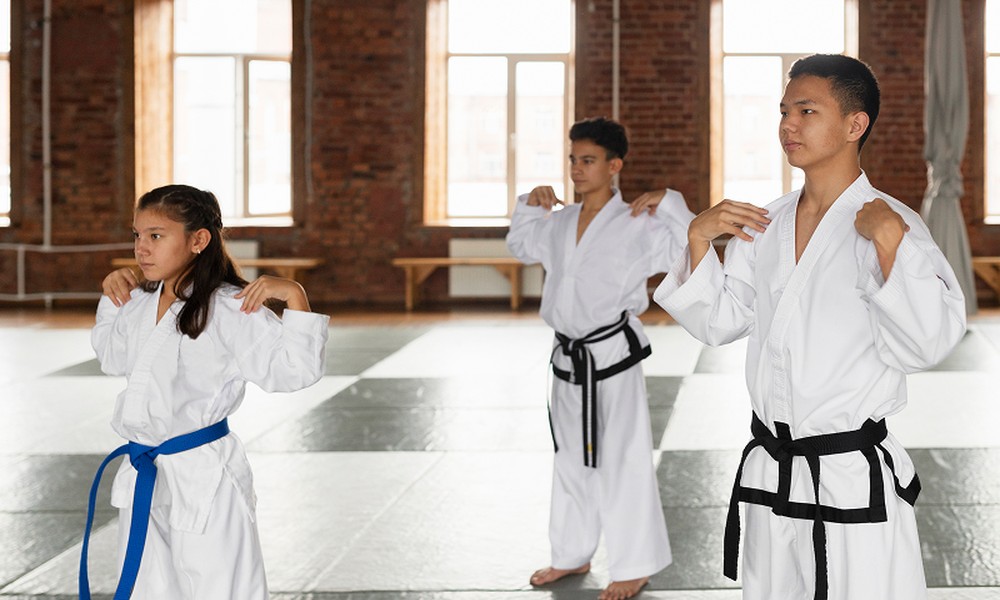
Footwork and stance control play an important role in martial arts. While exploring programmes focused on gymnastics for kids in Singapore, parents may notice how balance drills teach children to maintain centre positioning while shifting weight between movements. Practising controlled landings helps children stay grounded during martial arts training.
Gymnastics exercises also introduce focus during movement transitions. Stability developed through repeated drills helps children adjust quickly when martial arts routines involve sudden directional changes.
Improving Strength for Physical Endurance
Supporting Dance and Performance Activities
Dance training often involves repeated jumps, lifts, and posture holds that require muscle endurance. Strength drills usually involve climbing blocks, crawling exercises, and hanging tasks that help develop upper body and core strength, a common feature in sessions conducted within a preschool gym environment.
Muscle control developed through gymnastics helps children maintain form during longer dance routines. Stronger core muscles also help children manage posture during rehearsals and performances.
Enhancing Control for Contact and Non-Contact Sports
Martial arts and other sports frequently require controlled movement power. Strength training often focuses on coordination alongside muscle development, which becomes noticeable during programme evaluations involving gymnastics for kids in Singapore. Controlled strength helps children practise movement without losing balance or posture.
Gymnastics drills also introduce safe landing techniques. Practising controlled falls helps children manage unexpected movement shifts during sport participation.
Developing Flexibility for Movement Variety
Supporting Flow in Dance Routines
Dance training requires smooth transitions between poses and steps. Stretching routines introduce children to safe flexibility exercises through playful movement sequences when they form part of training delivered in a preschool gym setting. Repetition of stretching tasks helps children maintain comfortable joint mobility.
Flexible muscles help dancers perform extended movements without stiffness. Gymnastics stretching routines help children maintain fluid transitions between dance steps.
Increasing Range for Martial Arts Techniques
Martial arts frequently involve kicking, turning, and rotational movements that rely on movement range. Flexibility training often appears through rolling drills, bridge exercises, and controlled stretching sequences during family research into gymnastics for kids in Singapore.
Improved movement range helps children practise martial arts techniques while maintaining coordination. Flexible movement patterns also reduce stiffness during repeated drills.
Encouraging Coordination and Rhythm Awareness
Supporting Timing in Dance and Performance
Dance routines rely heavily on timing, sequencing, and rhythm awareness. Movement circuits frequently combine obstacle courses, balance drills, and guided pattern exercises, which regularly take place during training inside a preschool gym.
Practising timed routines helps children recognise rhythm cues. Gymnastics activities introduce movement sequencing that supports dance learning and performance timing.
Strengthening Multi-Step Movement Control
Sports frequently require children to combine several movements in quick succession. Gymnastics drills often combine jumping, turning, and landing into structured sequences, a detail parents may notice while researching programmes centred on gymnastics for kids in Singapore.
Practising these movement chains helps children adjust to sports requiring coordination across multiple body parts. Skill layering developed through gymnastics helps children adapt faster when learning new sport routines.
Supporting Confidence Across Sports Participation
Encouraging Comfort With New Activities
Children who experience varied movement challenges frequently develop confidence when exploring unfamiliar sports. New exercises introduced through playful repetition help children become comfortable with trial and error, particularly when training unfolds inside a preschool gym.
Confidence built through repeated movement practice helps children approach dance or martial arts lessons with curiosity and enthusiasm.
Preparing Children for Learning Transitions
Adapting to new sports requires emotional and physical adjustment. Early training helps children follow instructions and adjust to new learning environments, an observation families frequently make after enrolling children in programmes offering gymnastics for kids in Singapore.
Movement familiarity helps children transition smoothly between physical activities while maintaining engagement and enjoyment.
Conclusion
Gymnastics introduces balance, strength, flexibility, and coordination that contribute to performance in dance, martial arts, and many recreational sports. Exposure to varied movement routines helps children develop adaptable physical skills and confidence across different activities. Parents exploring multi-sport development opportunities may consider structured training environments that introduce foundational movement habits.
Contact BearyFun Gym now to learn how gymnastics sessions can help children build versatile skills that carry into other sports and physical activities.
