
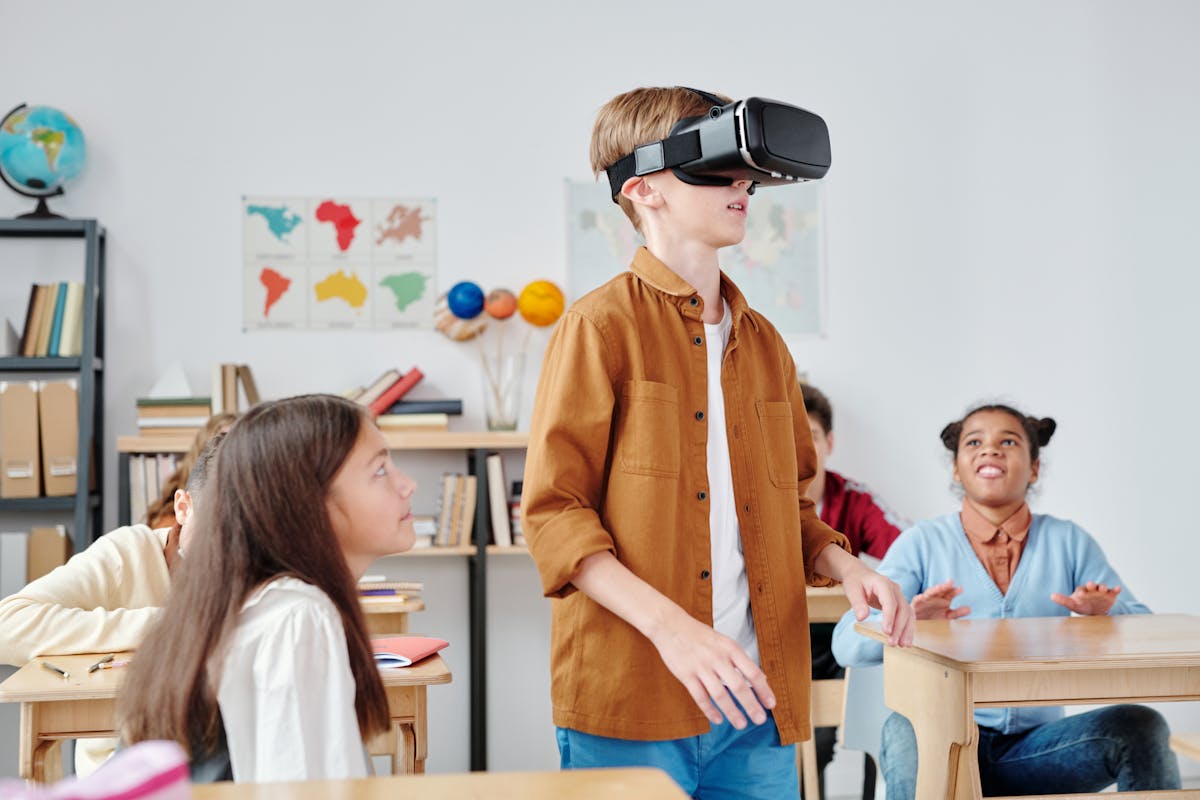
In recent years, the concept of virtual schooling has evolved far beyond simple online lessons. Today’s hybrid schools offer a unique blend of technology and personalised human support, designed to meet the needs of a diverse range of learners. Unlike purely online platforms, hybrid schools integrate face-to-face interaction with digital tools, creating a flexible yet structured learning environment.
A Balanced Approach to Learning
The essence of hybrid education is its balance. Students benefit from the convenience and adaptability of digital platforms, while still receiving direct support from teachers and tutors. This dual approach ensures that learning is not only accessible but also deeply engaging. For example, a student might attend in-person classes for core subjects or practical sessions, while using online resources to explore topics at their own pace. This combination encourages independence, self-discipline, and active engagement with learning materials.
Catering to Diverse Needs
One of the most significant advantages of hybrid schools is their ability to accommodate a wide variety of learner needs. For students with specialist interests-such as high-level sports or performing arts-this model allows them to continue pursuing their passions without compromising academic progress. Similarly, learners who benefit from additional support, including those with learning differences or mild special educational needs, can thrive in an environment where personalised attention is paired with flexible digital resources.
It’s important to note that hybrid schools do not carry the stigma sometimes associated with special educational needs. By offering tailored support as a standard part of their approach, they normalise the idea that every student’s learning journey is unique. This inclusive philosophy ensures that all students feel valued and supported.
The Role of Technology
Technology in hybrid schools is far more than a convenience; it is a tool to enhance learning. Interactive platforms, digital assessments, and online collaboration tools allow teachers to monitor progress in real time, adapt lessons to individual needs, and maintain communication with both students and parents. For students, technology provides instant access to a wealth of resources, from instructional videos to interactive exercises, reinforcing classroom learning and fostering curiosity.
Human Connection Remains Central
Despite the technological focus, human support remains at the heart of hybrid education. Teachers, tutors, and pastoral staff provide guidance, mentorship, and encouragement, ensuring that students never feel isolated. This personal connection is particularly important for young learners who benefit from social interaction, emotional support, and real-time feedback. Hybrid schools excel because they recognise that technology alone cannot replace the nuance and empathy that human educators provide.
A Future-Ready Model
Hybrid virtual schools represent a forward-thinking approach to education-one that prepares students for a rapidly changing world. By combining the flexibility of technology with the irreplaceable value of human support, these schools cater to a broad spectrum of needs, from high achievers to those requiring additional assistance. In doing so, they offer an inclusive, adaptable, and enriching learning experience that is genuinely fit for the future.
